
Why Digital Marketing Is Important &
Why Companies Need It

Introduction
In today’s fast-paced, technology-driven world, businesses can no longer rely solely on traditional marketing methods. Print ads, billboards, and TV commercials are still relevant, but the majority of consumers now spend a significant portion of their time online. This shift has made digital marketing the backbone of modern business strategies.
Digital marketing encompasses all online channels and strategies used to promote products or services, engage with audiences, and drive measurable results. From social media and search engines to email campaigns and video marketing, digital marketing offers businesses an unprecedented reach, precision, and flexibility.
Let’s dive deeper into why digital marketing is essential, how it benefits companies, and what its future looks like.
1. Reach a Global Audience
One of the most significant advantages of digital marketing is the ability to reach audiences worldwide. Unlike traditional marketing, which is often restricted by geography or budget, digital marketing allows businesses to target:
- Potential customers in any city, state, or country
- Specific demographic groups such as age, gender, income, or profession
- People based on interests, behaviors, and online activity
This kind of targeting ensures that marketing efforts are highly effective, reaching only the most relevant audience and increasing the chances of conversion.
2. Cost-Effectiveness
Traditional marketing methods can be expensive. TV ads, radio spots, and print campaigns often require significant budgets and may not yield measurable results.
Digital marketing, on the other hand, is highly cost-efficient:
- Small businesses can run ads on social media with minimal budgets
- Email campaigns reach thousands at a fraction of the cost of traditional mail
- Pay-per-click (PPC) advertising ensures you only pay for actual clicks or engagement
This makes digital marketing accessible to businesses of all sizes, from startups to large enterprises.
3. Precise Targeting and Personalization
Modern consumers expect personalized experiences. Digital marketing allows businesses to segment audiences and deliver tailored messages based on:
- Location
- Age and gender
- Interests and hobbies
- Browsing and purchase history
- Device type
For example, an e-commerce store can target users who abandoned their carts with a personalized email or remarketing ad, encouraging them to complete the purchase. Personalized marketing not only increases engagement but also boosts conversion rates and customer loyalty.
4. Measurable Results and Analytics
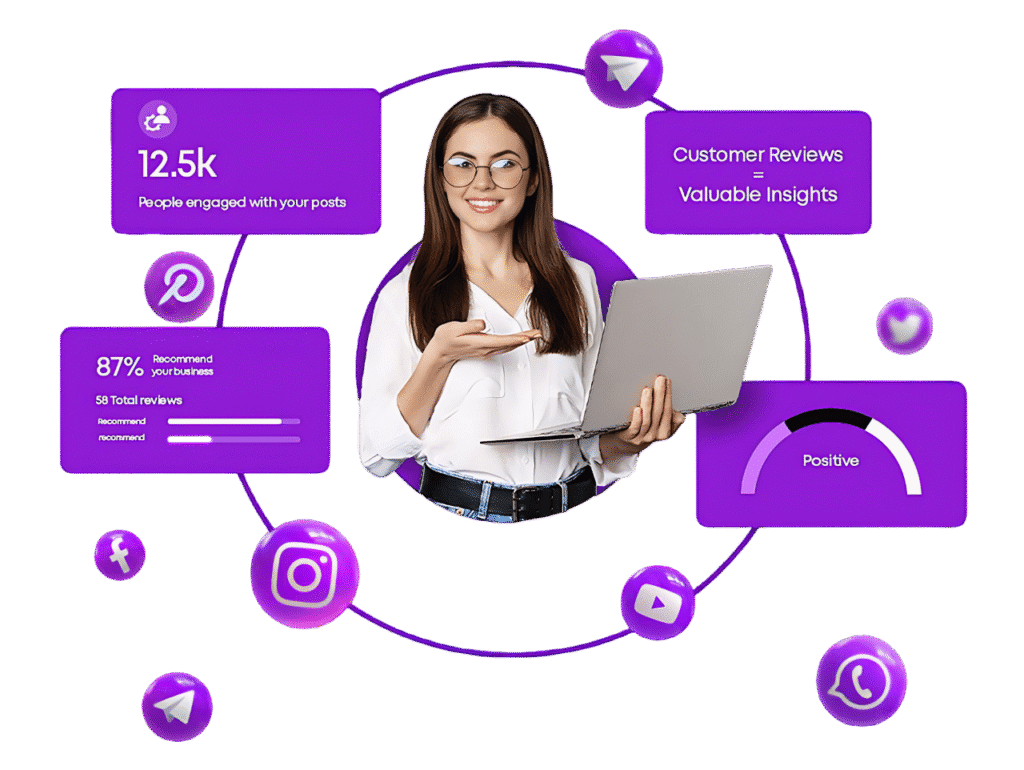
One of the biggest advantages of digital marketing is data-driven decision-making. Unlike traditional marketing, where results are often estimated, digital marketing provides real-time analytics, such as:
- Website traffic and visitor behaviour
- Click-through rates (CTR) and engagement metrics
- Conversions, leads, and sales generated
- ROI (Return on Investment) for campaigns
These insights allow businesses to refine strategies, eliminate ineffective tactics, and focus on campaigns that deliver measurable results.
5. Scalability and Flexibility
Digital marketing campaigns are highly scalable. You can start small, test campaigns, and increase budgets gradually. For instance:
- A small business can run a local Facebook ad targeting a city and expand it nationwide
- A new e-commerce brand can test product ads on Instagram before launching a large campaign
Flexibility is another key advantage campaigns can be paused, adjusted, or scaled in real-time based on performance, which is nearly impossible with traditional marketing.
6. Builds Brand Awareness and Credibility
In a crowded marketplace, visibility is crucial. Digital marketing helps businesses build brand awareness through:
- Social media presence
- High-quality content marketing (blogs, videos, infographics)
- Search engine optimization (SEO)
- Online reviews and testimonials
A strong online presence not only attracts potential customers but also establishes credibility and trust, essential for long-term business growth.
7. Drives E-Commerce and Sales Growth
Digital marketing is particularly effective for online sales. Strategies like SEO, social media advertising, email marketing, and influencer marketing can:
- Increase website traffic
- Boost product visibility
- Drive qualified leads to product pages
- Encourage repeat purchases
In fact, businesses that actively invest in digital marketing often see higher revenue growth than those relying solely on offline methods.
8. Competitive Advantage
Digital marketing is no longer optional; it’s a competitive necessity. Companies that ignore digital channels risk being left behind, while those who leverage them gain an edge.
With tools like social media, SEO, and PPC, even small businesses can compete with large brands by reaching targeted audiences more effectively. Early adopters of digital marketing often dominate their niche markets and build stronger customer relationships.
9. Future Demand and Growth of Digital Marketing
Digital marketing is not just important today it’s expected to grow significantly in the coming years. Here’s a snapshot of its future demand:
The global digital marketing industry is experiencing rapid growth. According to IMARC Group, the market is valued at USD 410.66 billion in 2024 and is expected to reach USD 1,189.5 billion by 2033, growing at a CAGR of around 11.22%. Similarly, global digital ad spending is projected to rise from USD 379.04 billion in 2024 to USD 800.29 billion by 2035, at a 7% CAGR (as per Market Research Future).
In India, the digital advertising market is growing steadily at about 15% annually between 2024 and 2029, fueled by increased social media adoption, smartphone usage, and e-commerce expansion (Economic Times). By 2029, digital ads are expected to account for 70–80% of total advertising spend globally, signaling that digital media is surpassing traditional channels (PwC, Reuters).
These statistics show exponential growth in digital marketing adoption globally, making it a career opportunity and an essential investment for companies.
10. Emerging Trends in Digital Marketing
The future of digital marketing will continue to evolve with technology. Some trends driving growth include:
- AI-powered marketing: Personalized campaigns, chatbots, and predictive analytics
- Video and live streaming: Platforms like TikTok, Instagram Reels, and YouTube Shorts for engagement
- Voice search and smart devices: Optimizing for voice queries and smart assistants
- Data-driven personalization: Hyper-targeted campaigns using customer behaviour data
- Influencer and social commerce: Using trusted voices to drive sales and engagement
Businesses that adopt these trends early will be well-positioned for growth.
Conclusion
Digital marketing is no longer optional it’s essential for modern businesses. It offers cost-effective reach, precise targeting, measurable results, and the ability to scale and adapt quickly.
With the global market expected to grow at CAGR 10–15% in the next decade, companies that embrace digital marketing now will benefit from increased visibility, customer loyalty, and revenue growth.
In short: investing in digital marketing today ensures your business stays competitive, relevant, and ready for the future.

Wasiq Memon
Web Developer, Datamatex Technology, India.
Related Blogs
SEO for Websites: The Key to Getting Found Online
How Instagram Helps Your Business Grow Online
The Ultimate Website Redesign Checklist for Marketers
Get free trial